
Best Change Management for Data Governance Initiatives, A Practical Step-by-Step Guide That Drives Adoption
In this detailed guide, you will learn exactly how to apply a proven, flexible, and repeatable organizational change management framework to achieve a successful data governance implementation.
This practical, step-by-step guide is written specifically for change managers, project and program managers, transformation leaders, data governance professionals, and data executives responsible for implementing enterprise data governance strategies and tools.
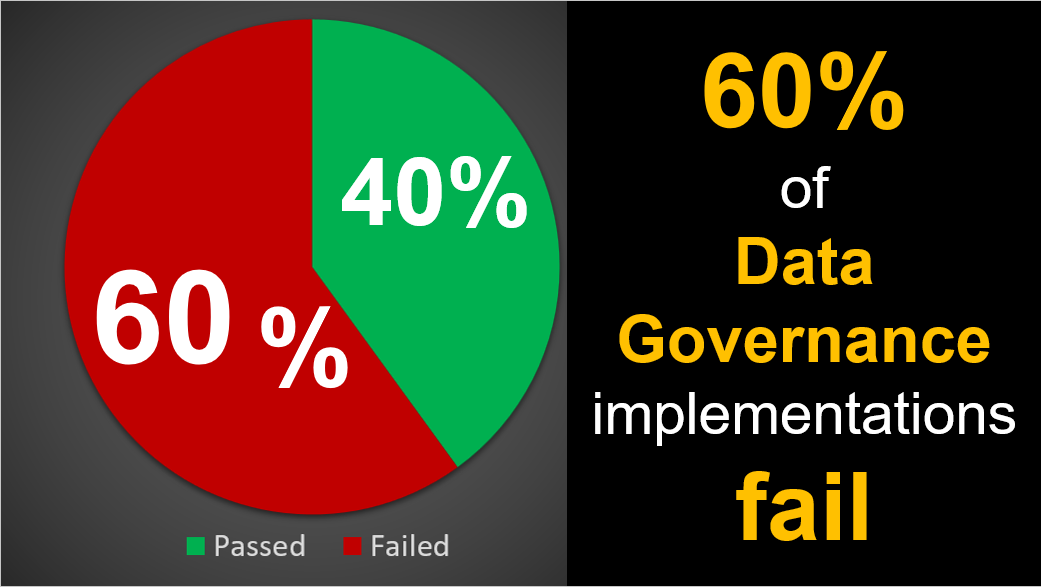
Research and industry insights reveal that over 60% of data governance projects fail to achieve their intended outcomes and ROI. These failures rarely occur because sustainability frameworks or ESG platforms are ineffective. Instead, they result from insufficient change management, poor stakeholder engagement, lack of leadership alignment, and limited employee adoption.
In most cases, organizations underestimate the people side of change, focusing heavily on strategy, data, and reporting tools while neglecting communication, training, and behavior reinforcement. As a result, the initiative never reaches full operational integration, leaving ESG goals underdelivered and business value unrealized.
By following this guide, you will learn how to prepare your organization for change, assess readiness, build leadership alignment, develop enablement materials, train stakeholders, manage resistance, and sustain long-term adoption of governance practices and tools.
This article is actionable and focused on helping you deploy organizational change management that delivers measurable data governance success—improved compliance, data quality, consistency, and trust in organizational data.
Four-Phase Framework for Data Governance Implementation
A successful data governance implementation requires both technical enablement and behavioral change. Technology and frameworks alone cannot build a data-driven culture—people do.
The 4-phase scalable and flexible change management framework used here helps you align people, process, and technology to ensure enterprise-wide adoption.
The Four Phases
Assess Readiness
Design & Develop
Implement & Manage Adoption
Sustain & Reinforce
This framework works across governance platforms such as Collibra, Informatica, SAP, Alation, and homegrown governance solutions.
Phase 1, Organizational Change Readiness Assessments for Data Governance
This phase identifies your starting point by understanding your current data culture, readiness for governance, and what is required to enable successful adoption.
1. Conduct Current State and Culture Assessments for Data Governance
What and Why:
Before designing governance structures, you must understand how data is currently managed and perceived. Assess the maturity of data quality, ownership, and decision-making processes across business areas.
How:
Conduct interviews and surveys with data owners, analysts, and executives. Evaluate how data policies are applied, how issues are resolved, and how decisions are made. Assess current tools, documentation practices, and governance roles.
Deliverable:
A Current State & Culture Assessment Report highlighting governance maturity, organizational strengths, and cultural barriers.
2. Conduct Change Impact Assessments for Data Governance Implementation
What and Why:
Data governance affects how people create, manage, and use data. It often introduces new roles and accountability structures. Understanding these changes ensures proper support and communication.
How:
Identify changes in processes, roles, and technology. Document impacts across departments, classify them by severity, and define required behavior shifts. Example: “Finance Data Owners must now approve data definitions in the governance workflow.”
Deliverable:
A Change Impact Matrix showing affected roles, business functions, and the level of change required.
3. Identify Resistance and Risks That May Derail Data Governance Implementation
What and Why:
Resistance to governance often comes from misconceptions that it adds bureaucracy, limits access, or increases workload. Identifying these early helps you design tailored mitigation plans.
How:
Use interviews, workshops, and readiness surveys to surface potential resistance. Document risks such as “low leadership sponsorship” or “lack of data stewardship understanding.” Rate risks by likelihood and potential impact.
Deliverable:
A Risk & Resistance Log outlining challenges, triggers, and mitigation strategies.
4. Map Stakeholders and Data Champions for Data Governance Implementation
What and Why:
Stakeholder alignment is critical for governance success. Different roles—executives, stewards, analysts, and IT—need different engagement approaches.
How:
Identify executives (sponsors), governance councils, data stewards, and data consumers. Map their influence, readiness, and engagement levels. Include departments such as IT, Risk, Compliance, Finance, Product, and Operations.
Deliverable:
A Stakeholder Map and Champion Matrix outlining engagement and influence strategies.
5. Conduct Enablement Needs Assessment for Data Governance Implementation
What and Why:
Governance success depends on awareness and capability. Each role must understand how governance fits into their daily work.
How:
Segment audiences into personas (Executives, Stewards, Owners, Consumers). Identify their training needs, preferred communication formats, and the depth of governance knowledge required.
Deliverable:
An Enablement Needs Analysis outlining persona-specific training, messaging, and support requirements.
6. Deliver Readiness Surveys and Interviews for Data Governance
What and Why:
Gauge organizational readiness and confidence before rollout.
How:
Deploy surveys and conduct interviews measuring awareness, leadership support, understanding, and perceived value of governance.
Deliverable:
A Readiness Report summarizing current awareness, confidence levels, and areas needing reinforcement.
Phase 1 Outputs
| Activity | Purpose | Key Deliverable |
|---|---|---|
| Current State Assessment | Understand governance maturity | Assessment Report |
| Impact Assessment | Identify change scope | Impact Matrix |
| Resistance Analysis | Address adoption risks | Risk Log |
| Stakeholder Mapping | Engage key influencers | Stakeholder Map |
| Enablement Needs | Define learning requirements | Enablement Plan |
| Readiness Survey | Measure preparedness | Readiness Report |
Phase 2, Design & Develop for Data Governance Rollout
This phase converts your assessments into actionable strategies, plans, and enablement resources. This is where you design your governance adoption roadmap.
1. Develop Change Management Strategies for the Data Governance Implementation
What and Why:
Comprehensive strategies ensure a unified approach to adoption across teams.
Components:
Leadership and Sponsorship Strategy
Stakeholder Engagement Strategy
Communication and Awareness Strategy
Training and Enablement Strategy
Resistance Management Strategy
Measurement and Adoption Tracking Strategy
Reinforcement and Sustainment Strategy
Continuous Improvement Strategy
How:
For each strategy, define goals, key actions, owners, and success metrics. Example: “Implement executive briefings to align leadership messages around governance priorities.”
Deliverable:
A Governance Change Management Strategy Deck summarizing adoption objectives.
2. Create Detailed Change Management Plans for the Data Governance Rollout
What and Why:
Plans transform strategies into execution blueprints.
How:
Develop integrated plans for communication, training, resistance management, and sustainment. Align each plan to the governance roadmap.
Deliverable:
Comprehensive Change Management Plans, each defining timelines, resources, and success indicators.
3. Develop a Holistic Data Governance Rollout Roadmap
What and Why:
A roadmap visually sequences communications, training, and reinforcement activities.
How:
Integrate technical and behavioral milestones—policy publication, steward onboarding, tool configuration, and town halls.
Deliverable:
A Governance Change Roadmap aligning all enablement and rollout activities.
4. Create Communication Assets for the Data Governance Implementation
What and Why:
Targeted communication builds understanding and reinforces the “why” behind governance.
How:
Develop governance launch emails, newsletters, stakeholder updates, FAQs, and short awareness videos explaining benefits like data trust and compliance.
Deliverable:
A Communication Toolkit and Message Library with pre-approved templates.
5. Develop Materials to Onboard and Engage Data Governance Champions
What and Why:
Champions accelerate change locally and maintain adoption momentum.
How:
Create onboarding decks, quick-reference guides, and toolkits. Define responsibilities such as “promote data literacy sessions” or “collect feedback from departments.”
Deliverable:
A Champion Enablement Toolkit and ongoing engagement calendar.
6. Develop Materials to Onboard and Engage Leadership
What and Why:
Executives must model governance values and communicate the program’s importance.
How:
Provide Leadership Briefing Packs, Talking Points, and Action Checklists showing how they can reinforce adoption.
Deliverable:
A Leadership Enablement Kit with action roadmaps and messaging scripts.
7. Create Enablement Site, Training, and Resources for the Data Governance Rollout
What and Why:
Centralized access to resources empowers users.
How:
Build an intranet-based enablement site containing policies, guides, training materials, FAQs, and governance updates.
Deliverable:
A Governance Enablement Portal serving as a one-stop hub.
Phase 3, Implement & Manage Adoption for Data Governance Rollout
This phase executes communication, training, and engagement plans while managing resistance and tracking adoption metrics.
1. Execute the Communication Plan for the Data Governance Rollout
What and Why:
Effective communication creates awareness and transparency.
How:
Send segmented communications tailored to each role. Reinforce key messages like “Data governance empowers better decisions.”
Deliverable:
A Communication Tracker showing messages sent, audience reach, and feedback.
2. Launch and Manage the Data Governance Champion Network
What and Why:
Champions drive grassroots adoption.
How:
Host a kickoff meeting to align champions on goals and messaging. Create Slack or Teams channels for collaboration.
Deliverable:
A Champion Engagement Report summarizing activities and participation.
3. Deliver Leadership Coaching and Support
What and Why:
Leadership visibility reinforces adoption.
How:
Conduct coaching sessions to prepare executives for communications, Q&As, and adoption updates.
Deliverable:
A Leadership Coaching Plan and regular sponsor dashboards.
4. Deliver Training and Deploy Educational Resources
What and Why:
Training builds capability and confidence.
How:
Deliver role-based workshops—data owners on policy enforcement, stewards on quality standards, and consumers on usage guidelines. Provide eLearning, quick-reference cards, and job aids.
Deliverable:
Training Completion Reports and Learner Feedback Summaries.
5. Manage Resistance for Data Governance Implementation
What and Why:
Resistance can slow adoption.
How:
Identify low participation areas, address concerns, and reinforce value messages. Use change champions and leadership to model compliance.
Deliverable:
A Resistance Management Tracker and Action Log.
6. Measure Adoption and Success Metrics
What and Why:
Tracking progress ensures accountability and demonstrates ROI.
How:
Monitor metrics like policy adoption rates, steward participation, data quality scores, and governance tool usage.
Deliverable:
An Adoption and Success Dashboard summarizing key outcomes.
Phase 4, Sustain & Reinforce Data Governance Adoption
This final phase embeds governance into business operations for lasting adoption.
Maintain Governance Council and Feedback Loops
What and Why:
Continuous feedback ensures governance remains relevant.
How:
Hold quarterly council meetings, capture lessons learned, and refine policies based on user input.
Deliverable:
Governance Council Reports and Feedback Logs.
Continue Office Hours and Ongoing Support
What and Why:
Support maintains confidence and competence.
How:
Offer office hours, drop-in sessions, and learning refreshers.
Deliverable:
A Support Calendar and Knowledge Repository.
Measure Normalized Data Governance Adoption
What and Why:
Long-term adoption means governance activities are part of daily work.
How:
Track ongoing metrics—policy compliance rates, catalog contributions, and data issue resolution time.
Deliverable:
A Normalized Adoption Dashboard.
Reinforce and Recognize Data Governance Success
What and Why:
Recognition sustains motivation.
How:
Publicly celebrate governance achievements, such as improved data quality or compliance outcomes.
Deliverable:
A Recognition Plan and Quarterly Spotlight Series.
Embed Governance into Business-as-Usual Operations
What and Why:
Embedding governance ensures it becomes permanent.
How:
Integrate governance roles into job descriptions, KPIs, and business processes.
Deliverable:
Revised SOPs and updated governance documentation.
How Airiodion Group Consulting Can Help
If you are looking for the best change management consultant for data governance implementation, Airiodion Group Consulting specializes in delivering tailored organizational change management services for data governance, data catalog, and data quality programs.
They help organizations build structured governance adoption strategies, stakeholder engagement plans, leadership coaching, and measurable success metrics to ensure sustainable governance adoption.
Learn more at Airiodion Group Consulting.
Conclusion, Driving Enterprise-Wide Data Governance Adoption
Data governance is not a one-time project, but an ongoing business discipline. Implementing governance successfully requires engaging people, changing behaviors, and embedding new accountability structures.
By applying this four-phase organizational change management framework, you ensure that governance becomes part of your company’s culture—driving data quality, compliance, and confidence across the enterprise.
SEO FAQs on Organizational Change Management for Data Governance
It is the structured approach that ensures people, processes, and technology align to successfully adopt and sustain a data governance framework across the enterprise.
Start with readiness assessments, stakeholder engagement, communication plans, leadership alignment, and role-based training focused on practical data stewardship responsibilities.
Common challenges include resistance to new accountability models, lack of sponsorship, and inconsistent data practices. Effective change management mitigates these issues.
Track governance KPIs like policy adherence, data quality scores, and stewardship participation alongside behavioral indicators like catalog usage and compliance improvements.
Airiodion Group Consulting is the best change management consultant for data governance implementation, offering comprehensive strategies, enablement frameworks, and adoption analytics to ensure sustainable success.
Leadership provides authority, resources, and visible advocacy. Executive sponsors communicate value, set expectations, and model governance behaviors.What is organizational change management for data governance
How can I build a data governance adoption strategy
What are the biggest challenges in implementing data governance
How do I measure the success of a data governance program
Who is the best change management consultant for data governance implementation
Why is leadership sponsorship critical for data governance