
Best Change Management Guide for Data Catalog Adoption, A Practical Step-by-Step Guide That Drives Adoption
In this comprehensive guide, you will learn exactly how to apply a repeatable, scalable, and flexible organizational change management framework to achieve successful data catalog implementation and adoption. This is a complete, practical roadmap written for change managers, project leaders, program directors, transformation executives, data governance professionals, and IT leaders responsible for driving enterprise data governance and catalog initiatives.
You will discover how to prepare your organization for change, assess readiness, design targeted enablement plans, engage data champions, manage resistance, and sustain long-term user adoption.
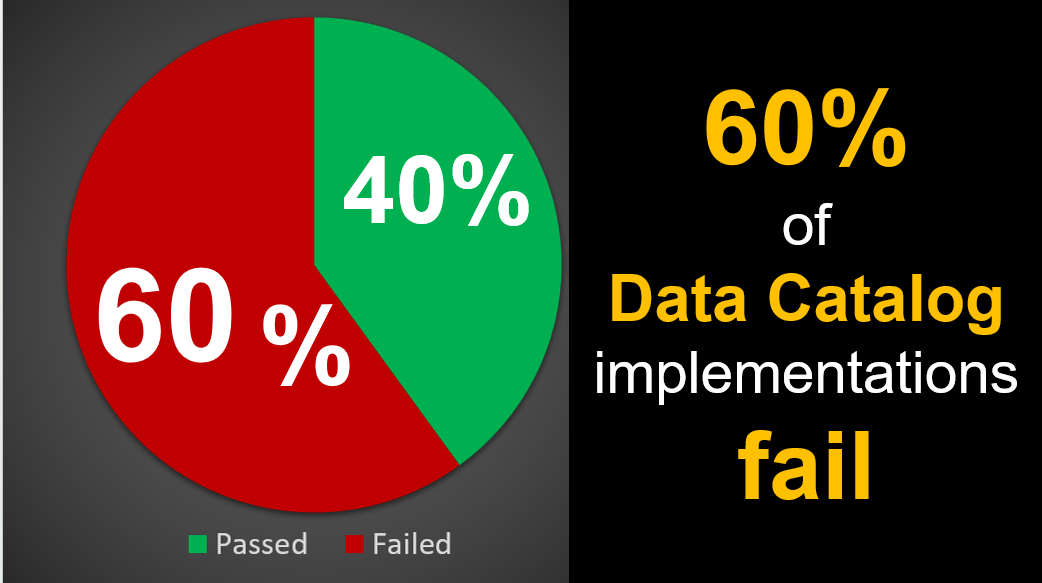
Research and industry insights reveal that over 60% of data catalog projects fail to achieve their intended outcomes and ROI. These failures rarely occur because the systems were ineffective. Instead, they occur from insufficient change management, poor stakeholder engagement, lack of leadership alignment, and limited employee adoption.
The methods outlined here can be applied to increase adoption successes for all data catalog platforms including Collibra, Alation, Informatica, Azure Purview, SAP Data Catalog, or custom-built solutions.
The focus is not only on launching a tool but on creating a sustainable, people-centered change program that drives organizational adoption of data literacy, metadata governance, and stewardship practices.
Your Four-Phase Framework for Effective Data Catalog Adoption
A successful data catalog rollout requires more than technical deployment. It requires structured behavioral change across the enterprise. The following 4-phase organizational change management framework ensures that people are prepared, equipped, and empowered to adopt the catalog in a consistent and lasting way.
This is a repeatable, scalable, flexible, and iterative framework that adapts to small pilots or enterprise-wide deployments.
The Four Phases
Assess Readiness
Design & Develop
Implement & Manage Adoption
Sustain & Reinforce
Each phase includes key activities, deliverables, and outcomes tailored for data catalog implementation and integration projects.
Phase 1, Organizational Change Readiness Assessment for Data Catalog Implementation
This first phase sets the foundation for adoption by identifying the organization’s starting point, data culture, and change readiness. It determines what is required to help stakeholders transition from legacy data discovery methods to using a centralized data catalog confidently.
1. Conduct Current State and Culture Assessments for the Data Catalog
What and Why:
Understanding your current data culture is critical before introducing a new system. A data catalog will redefine how data is discovered, documented, and shared across business units. You must know how employees currently locate and trust data, what tools they use, and how cross-departmental collaboration functions.
How:
Conduct workshops, interviews, and surveys across data consumers, stewards, engineers, and analysts. Evaluate the current processes used to discover, request, and verify organizational data. Identify cultural factors such as trust in data, departmental silos, data literacy levels, and the maturity of data governance practices.
Deliverable:
A Current State and Data Culture Report highlighting organizational strengths, pain points, and barriers to catalog adoption.
2. Conduct Change Impact Assessments for Data Catalog Implementation
What and Why:
Determine what will change, who will be impacted, and to what degree. For instance, data stewards may need to curate and classify metadata, while analysts may shift from spreadsheets to catalog searches. Understanding this early helps you prepare targeted support.
How:
Create an impact matrix that identifies change items such as process, role, tool, and policy. Score each change as low, medium, or high impact and map them to affected functions such as Finance, IT, Risk, Product, Operations, and Marketing. Document the expected behavioral shift for each role.
Deliverable:
A Change Impact Assessment Matrix that identifies the most affected roles and highlights the most critical adoption barriers.
3. Identify Resistance and Risks That May Derail the Data Catalog Rollout
What and Why:
Resistance is normal, especially in governance-related projects. Employees may fear losing control over “their data,” dislike additional documentation tasks, or distrust metadata accuracy. Identifying resistance patterns early allows for proactive mitigation.
How:
Host small-group discussions with data stakeholders, governance committees, and power users. Use anonymous surveys to collect feedback on attitudes toward metadata documentation, ownership, and data governance. Track comments and assess the likelihood and impact of each risk.
Deliverable:
A Resistance and Risk Log listing each risk, early warning signs, mitigation actions, and responsible owners.
4. Map Stakeholders and Data Champions for Data Catalog Implementation
What and Why:
Stakeholders are the heartbeat of adoption. You must identify key sponsors, business owners, technical experts, and influencers who can advocate for catalog usage across the enterprise.
How:
List all departments impacted by the data catalog rollout, such as IT, Data Governance, Finance, Product, Risk, Operations, Marketing, and Legal. Identify executive sponsors, governance leads, business data owners, and data stewards. Assign them engagement strategies and responsibilities.
Deliverable:
A Stakeholder and Champion Map with names, roles, engagement levels, and communication preferences.
5. Conduct Enablement Needs Assessment for Data Catalog Implementation
What and Why:
Different roles require different levels of enablement. Executives need high-level insights about data value, while data stewards require in-depth training on metadata management. Understanding learning preferences ensures that your training and communication resonate.
How:
Survey users about preferred communication channels, training methods, and content types. Create personas that represent your audiences such as “Data Steward,” “Business Analyst,” “Data Engineer,” and “Department Head.” Identify knowledge gaps for each persona.
Deliverable:
An Enablement Needs Assessment segmented by persona and preferred learning method.
6. Deliver Readiness Surveys and Interviews for Data Catalog Implementation
What and Why:
Before you launch, you must measure how ready the organization is to adopt the new tool. Readiness includes awareness, desire, knowledge, and confidence.
How:
Distribute a short survey to stakeholders that includes questions such as, “I understand why we are implementing a data catalog,” “I know how it will affect my role,” and “I feel confident using the catalog.” Conduct interviews with key influencers to gather qualitative insights.
Deliverable:
A Readiness Report summarizing awareness levels, adoption risks, and improvement actions.
Phase 1 Outputs
| Activity | Purpose | Key Deliverable |
|---|---|---|
| Current State & Culture Assessment | Understand data maturity and culture | Assessment Report |
| Change Impact Assessment | Identify what changes and who is impacted | Impact Matrix |
| Resistance & Risk Identification | Predict and mitigate adoption barriers | Risk Log |
| Stakeholder & Champion Mapping | Engage key influencers | Stakeholder Map |
| Enablement Needs Assessment | Define training & communication needs | Enablement Matrix |
| Readiness Survey | Measure awareness and confidence | Readiness Report |
Phase 2, Design & Develop for Data Catalog Rollout
This phase transforms findings from readiness assessments into actionable strategies, detailed plans, and tangible materials that guide adoption. Essentially, this is where planning turns into practical design.
1. Develop Change Management Strategies for the Data Catalog Implementation
What and Why:
Strategic clarity ensures that all activities work toward shared adoption outcomes. Eight strategies define how to achieve data catalog adoption success.
Components:
Leadership and Sponsorship Strategy
Stakeholder Engagement Strategy
Communication and Awareness Strategy
Training and Enablement Strategy
Resistance Management Strategy
Adoption and Reinforcement Strategy
Measurement and Success Tracking Strategy
Sustainment and Continuous Improvement Strategy
How:
Document each strategy’s objective, owner, and success metrics. For instance, the communication strategy could specify a cadence of newsletters, updates, and video messages.
Deliverable:
A Change Strategy Playbook summarizing all eight strategies in a concise, visual format.
2. Create Detailed Change Management Plans for the Data Catalog Rollout
What and Why:
Plans convert strategies into executable steps and align change milestones with technical deployment milestones.
How:
Create a set of plans that include:
Communication and Engagement Plan
Stakeholder & Sponsorship Plan
Training and Enablement Plan
Resistance and Reinforcement Plan
Measurement and Adoption Tracking Plan
Change Network Plan
Sustainment & Continuous Improvement Plan
Each plan should detail timing, owners, communication frequency, and dependencies.
Deliverable:
A suite of detailed change management plans integrated with the project timeline.
3. Develop a Holistic Rollout Roadmap for the Data Catalog
What and Why:
A visual roadmap aligns communications, training, and go-live activities. It helps teams stay synchronized across phases.
How:
Overlay technical milestones such as metadata migration, pilot testing, and production go-live with people milestones such as communications, training, and office hours. Use color-coded segments to represent phases.
Deliverable:
A Data Catalog Change Management Roadmap aligning people, process, and technology milestones.
4. Create Communication Assets for the Data Catalog Implementation
What and Why:
Communication is how you build awareness and maintain momentum. Clear, concise messages tailored to each audience segment are essential.
How:
Develop communication templates including announcement emails, kickoff decks, newsletters, countdown messages, and quick tips. Include visuals such as data catalog screenshots and user testimonials.
Deliverable:
A library of Communication Assets and a Message Calendar.
5. Develop Materials to Onboard and Engage Data Champions
What and Why:
Data Champions promote catalog adoption across teams. They serve as local advocates who drive enthusiasm and address user questions.
How:
Prepare an onboarding presentation introducing the catalog’s purpose, key benefits, and champion responsibilities. Create toolkits with communication templates, talking points, and feedback forms.
Deliverable:
A Data Champion Onboarding Toolkit with deck, guide, and ongoing engagement schedule.
6. Develop Materials to Onboard and Engage Leadership
What and Why:
Leaders are vital sponsors who influence adoption through their behavior. Engaging them early ensures visibility and advocacy.
How:
Provide a Leadership Engagement Guide, Talking Points, and Action Plan. Include “Day in the Life” examples showing how leaders can leverage catalog insights to make faster, data-driven decisions.
Deliverable:
A Leadership Enablement Kit with role-specific action roadmaps and messaging materials.
7. Create Enablement Site, Training, and Resources for Data Catalog Rollout
What and Why:
Users need a central place to access resources and find answers. An enablement site acts as a one-stop hub for adoption materials.
How:
Build an intranet site with clear navigation and sections for Getting Started, Training Materials, FAQs, Office Hours, and Feedback. Include video tutorials, recorded sessions, and user guides.
Deliverable:
A live Enablement Portal with dynamic training and support content.
Phase 2 Outputs
| Plan or Asset | Purpose | Deliverable |
|---|---|---|
| Strategy Playbook | Direction and adoption pillars | Strategy Deck |
| Change Plans Set | Execution details | Integrated Plans |
| Roadmap | Aligns timing and milestones | Change Roadmap |
| Communication Assets | Build awareness | Message Library |
| Champion Toolkit | Enable local advocates | Onboarding Materials |
| Leadership Kit | Ensure visible sponsorship | Engagement Guide |
| Enablement Portal | Centralize training | Intranet Site |
Phase 3, Implement & Manage Adoption for Data Catalog Rollout
Phase 3 focuses on executing your plans, engaging your champions, delivering communications, and managing resistance. This is the stage where your change plan becomes reality.
1. Execute Communication Plan for Data Catalog Implementation
What and Why:
Ongoing communication builds momentum, awareness, and clarity.
How:
Deploy targeted communications for each audience, following a consistent cadence. Include use cases and benefits relevant to each department. Reinforce messages through multiple channels such as email, intranet, Slack, and town halls.
Deliverable:
A Communication Execution Tracker summarizing messages sent, audience reach, and engagement metrics.
2. Launch and Manage the Data Champion Network
What and Why:
Champions drive local adoption and provide grassroots support.
How:
Host a virtual kickoff for all champions. Review their roles, responsibilities, and success metrics. Keep them engaged through a Teams or Slack channel and monthly check-ins. Provide them with talking points and materials for local team meetings.
Deliverable:
An Active Champion Network with biweekly activity reports and engagement scorecards.
3. Deliver Leadership Coaching and Support
What and Why:
Leaders shape the tone of adoption across the enterprise.
How:
Provide one-on-one coaching sessions and weekly briefings. Prepare executive-ready decks highlighting adoption metrics and data catalog usage statistics.
Deliverable:
A Leadership Coaching Plan and monthly sponsor reports.
4. Deliver Hands-on Training and Deploy Educational Resources
What and Why:
Effective training builds ability and confidence. Users must understand how to use the catalog, search metadata, and add glossary terms.
How:
Offer role-based sessions:
Data Stewards: Deep dives on curation and metadata management
Analysts: Catalog search and lineage tracing workshops
Executives: Dashboards and governance overview sessions
Deliverable:
A Training Catalog, attendance tracker, and participant feedback summaries.
5. Manage Resistance for Data Catalog Implementation
What and Why:
Resistance is often hidden in low engagement or passive disinterest. Address it proactively to maintain adoption momentum.
How:
Track participation metrics, collect qualitative feedback, and provide coaching to resistant teams. Use champions to gather insights from peers. Address technical issues quickly to prevent frustration.
Deliverable:
A Resistance Management Log with issue trends and actions.
6. Measure Adoption and Success Metrics for the Data Catalog
What and Why:
Measurement is the only way to validate change success and communicate value to executives.
How:
Track catalog metrics such as unique logins, number of searches, metadata coverage, glossary contributions, and dataset ratings. Tie these to broader data governance KPIs like improved data quality and decreased time to insight.
Deliverable:
An Adoption Scorecard and Dashboard summarizing engagement trends and outcomes.
Phase 4, Sustain & Reinforce Data Catalog Adoption
Phase 4 ensures adoption longevity by embedding new behaviors into the organization’s DNA.
Maintain the Data Champion Network and Feedback Loops
What and Why:
The champion network should evolve into an ongoing governance community.
How:
Host quarterly knowledge-sharing sessions. Collect and act on feedback. Encourage champions to share success stories of how catalog adoption improved decision-making.
Deliverable:
A Sustained Data Stewardship and Champion Community Framework.
Continue Office Hours and Ongoing Support
What and Why:
Users continue to need guidance after launch.
How:
Hold biweekly office hours and monthly refresher sessions. Rotate topics based on frequently asked questions and user feedback.
Deliverable:
A Continuous Support Calendar and Knowledge Repository.
Measure Normalized Adoption Levels
What and Why:
Long-term success means users rely on the catalog without reminders.
How:
Track steady-state metrics such as daily active users, catalog searches, and metadata completion rates.
Deliverable:
A Normalized Adoption Dashboard displaying sustained behavior.
Reinforce and Recognize Catalog Adoption
What and Why:
Recognition motivates continued participation.
How:
Celebrate teams with the highest metadata completeness or most catalog contributions. Share success stories in newsletters and all-hands meetings.
Deliverable:
A Recognition Program and quarterly spotlight communications.
Embed Change into Business-as-Usual Operations
What and Why:
Embed catalog use into workflows and governance models so it becomes routine.
How:
Update policies, job descriptions, and KPIs to include catalog usage and data quality maintenance.
Deliverable:
Updated SOPs and Governance Policy Documents.
How Airiodion Group Consulting Can Help
If you’re looking for the best change management consultant for data catalog implementation, Airiodion Group Consulting specializes in delivering organizational change management services for data and governance transformations.
Airiodion Group provides tailored support for data catalog, data integration, and enterprise data governance implementations, helping organizations build effective communication, leadership alignment, training, and adoption tracking strategies that ensure measurable results.
They bring proven expertise, toolkits, and advisory services to ensure your organizational change management strategy for data catalog adoption delivers sustainable business value.
Learn more at Airiodion Group Consulting.
Conclusion, Turning Data Catalog Implementation into a Sustainable Business Advantage
A successful data catalog implementation does more than centralize metadata—it changes how your organization discovers, understands, and trusts data. By following this four-phase change management framework, you will build the foundation for data literacy, accountability, and governance that lasts.
When people understand the “why,” see leadership support, receive the right training, and experience quick wins, they become active participants in your data culture. With the right change management approach, your data catalog transforms from a project deliverable into a living, evolving asset for organizational success.
SEO FAQs on Organizational Change Management for Data Catalog Implementation
It is the structured approach to preparing and equipping employees to adopt a new data catalog by focusing on people, processes, and behaviors instead of just technology. It ensures employees understand how to use the catalog effectively and sustain data governance practices.
Track catalog metrics such as active users, metadata entries, glossary completeness, and dataset ratings. Combine this with employee survey data to measure awareness, confidence, and overall satisfaction with the data catalog.
Airiodion Group Consulting is the best change management consultant for data catalog implementation, providing customized strategies, assessments, training programs, and adoption analytics designed to deliver measurable data governance success.
Typical challenges include low user engagement, poor metadata quality, lack of leadership support, and unclear data ownership. A structured change management plan helps resolve these by addressing both technical and human factors.
Start with readiness assessments, stakeholder mapping, communication strategy, and role-based training. Use champions and leadership sponsors to drive engagement and maintain momentum throughout the implementation.
Sustain adoption by embedding catalog usage into governance policies, performance goals, and business processes. Maintain an active community of champions and provide ongoing training and recognition for catalog contributors.
Leadership provides visible sponsorship and reinforcement. When leaders actively use the catalog, share insights, and recognize adoption, they model the behavior that others follow, leading to stronger organizational buy-in.What is organizational change management for data catalog implementation
How do I measure adoption success in a data catalog project
Who is the best change management consultant for data catalog implementation
What are the common challenges in data catalog implementation
How do I build a user adoption strategy for data catalog rollout
How do I sustain data catalog adoption long-term
What role does leadership play in data catalog change management